
SteamOS 3.10.0 Preview Boosts NVIDIA GPU Support and Moves to Linux Kernel 7.3
Valve's SteamOS 3.10.0 preview update upgrades to Linux kernel 7.3 and introduces NVIDIA Mesh Shader support, improved driver stability, and VRR fixes.
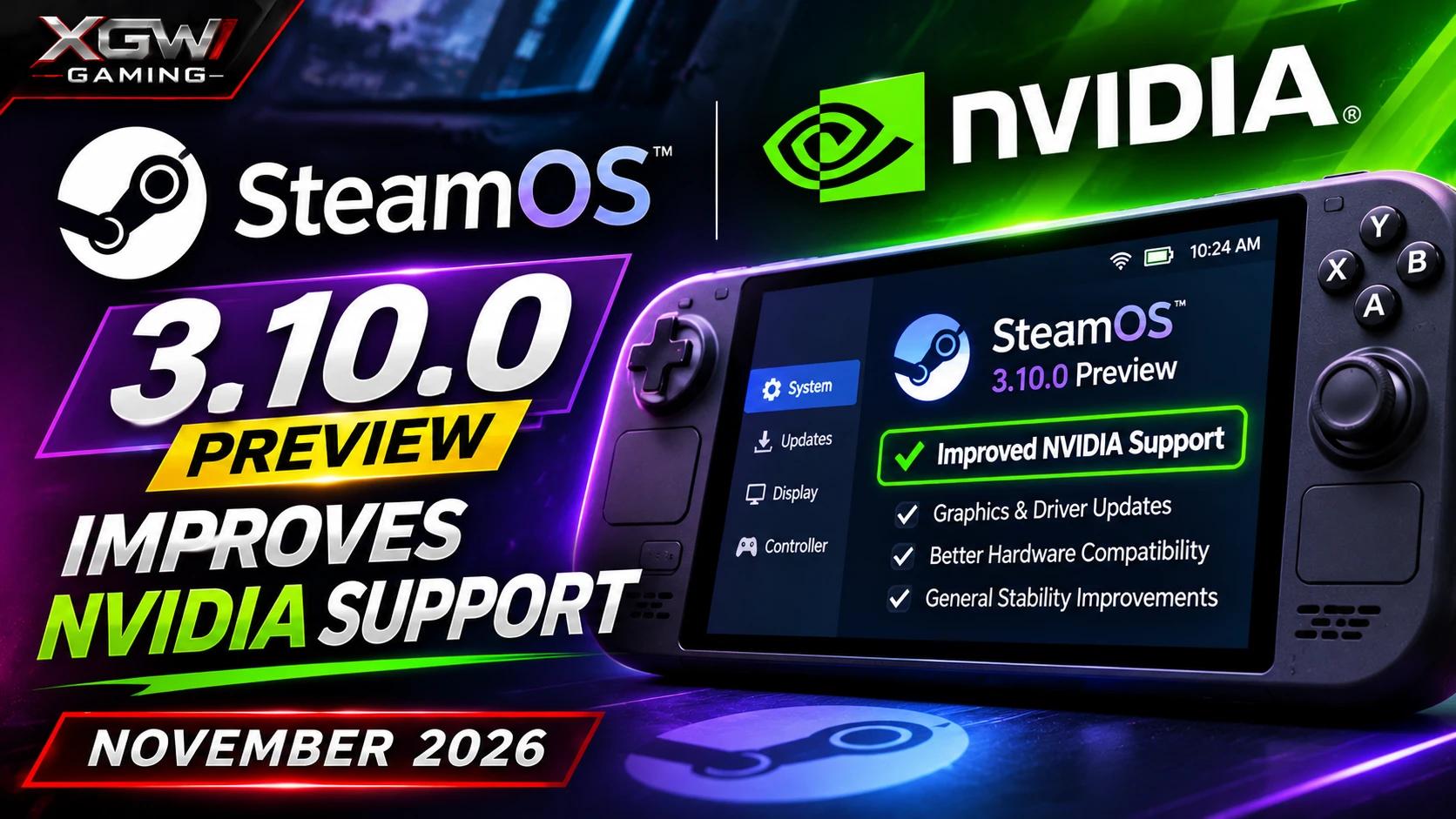
Valve has released the SteamOS 3.10.0 preview update, bringing significant under-the-hood upgrades for NVIDIA-powered gaming PCs alongside an upgrade to the Linux 7.3 kernel.
Historically, SteamOS has favored AMD hardware due to Valve's Steam Deck architecture, leaving NVIDIA GPU owners with rougher Linux driver compatibility.
In SteamOS 3.10.0, Valve introduces Mesh Shader support for NVIDIA Turing (RTX 20-series) and newer architectures, alongside general driver stability and performance enhancements.
The update also resolves Game Mode rendering corruption bugs affecting titles such as Shadow of the Tomb Raider and The Surge 2, while adding VK_EXT_present_timing support.
Additional improvements include HDMI 2.1 VRR, FRL, and ALLM support for AMD GPUs, smoother frame pacing when using the framerate limiter with Variable Refresh Rate, and reduced UI flickering.
XGW Brief
Key Takeaways
- Valve released the SteamOS 3.10.0 preview update built on the Linux 7.3 kernel.
- NVIDIA Turing (RTX 20-series) and newer GPUs gain Mesh Shader support plus better driver stability and performance.
- Game Mode rendering corruption fixes were implemented for Shadow of the Tomb Raider and The Surge 2.
- The update also refines VRR frame pacing and adds HDMI 2.1 VRR/FRL/ALLM support for AMD hardware.
Major Upgrades for NVIDIA Hardware
SteamOS 3.10.0 marks a meaningful step forward for gamers running NVIDIA graphics cards on Valve's Linux-based operating system.
The release enables Mesh Shader support for Turing and newer NVIDIA GPUs while improving overall stability and frame performance.
Linux 7.3 Kernel and Game Mode Fixes
Under the hood, SteamOS transitions to the Linux 7.3 kernel and an updated Arch Linux base with KDE Plasma 6.8.2.
Valve also resolved visual corruption issues in Game Mode for Shadow of the Tomb Raider and The Surge 2, and fixed HDR scaling overexposure in games like Control.
Display and VRR Enhancements
Display output receives notable polish, including improved frame timing and reduced screen flicker when Variable Refresh Rate (VRR) is active.
AMD users also gain HDMI 2.1 VRR, Fixed Rate Link (FRL), and Auto Low Latency Mode (ALLM) support, further strengthening SteamOS as a living-room console OS.
XGW Original Analysis
Why This Update Matters
Improving NVIDIA compatibility is essential if Valve wants SteamOS to succeed as a general-purpose desktop and living-room gaming OS beyond AMD handhelds.
Adding Mesh Shader support for RTX 20-series and newer GPUs removes a major technical roadblock for modern DirectX 12 titles running through Proton.
Combined with Linux 7.3 and VRR frame-pacing fixes, SteamOS is steadily closing the gap with Windows for couch gaming.
Why It Matters
- PC builders with NVIDIA GPUs can now experiment with SteamOS and Game Mode with far fewer graphical glitches and better modern API support.
- It signals Valve's long-term commitment to expanding SteamOS across diverse PC form factors.
XGW Verdict
SteamOS 3.10.0 is one of Valve's most important compatibility updates yet, making Linux-based console gaming dramatically smoother for NVIDIA rig owners.
Primary References
Official Sources
These official and primary sources support the key details referenced in this article. XGW Gaming reviews source information when updating coverage.
Keep Reading
Related News

Exoprimal Will Shut Down in September 2027 as Capcom Sets Final Service Timeline
Read Story→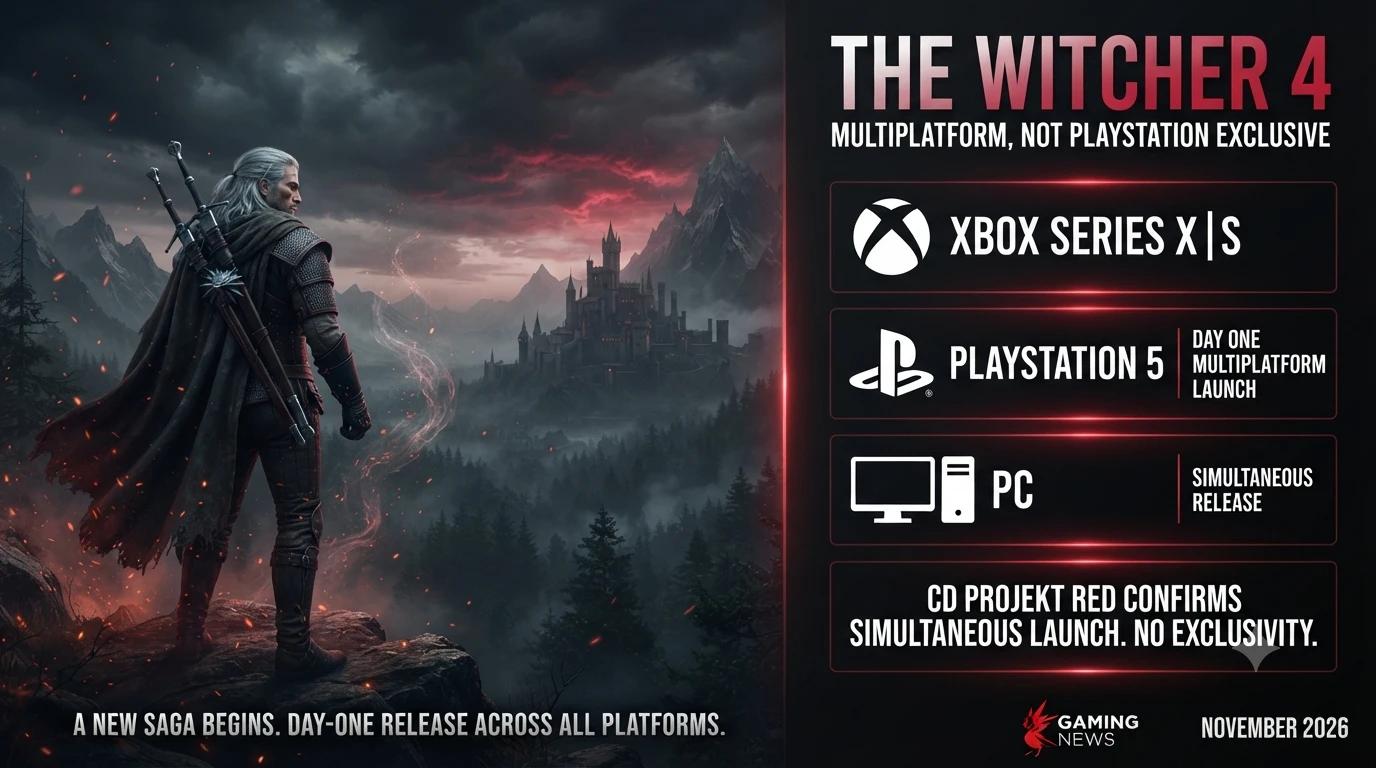
The Witcher 4 Will Launch on Xbox, PlayStation and PC at the Same Time, CD Projekt Confirms
Read Story→
Hollow Knight: Silksong Sea of Sorrow Showcase Set for November 27
Read Story→XGW Gaming
Gaming news, cinematic moments, rankings, comparisons, hardware analysis and upcoming games.
← Back To Newsroom